

Insights
CEAI Global Calls for a New Era of AI Leadership: Combining Design Thinking and Generative AI to Deliver Measurable Business Growth
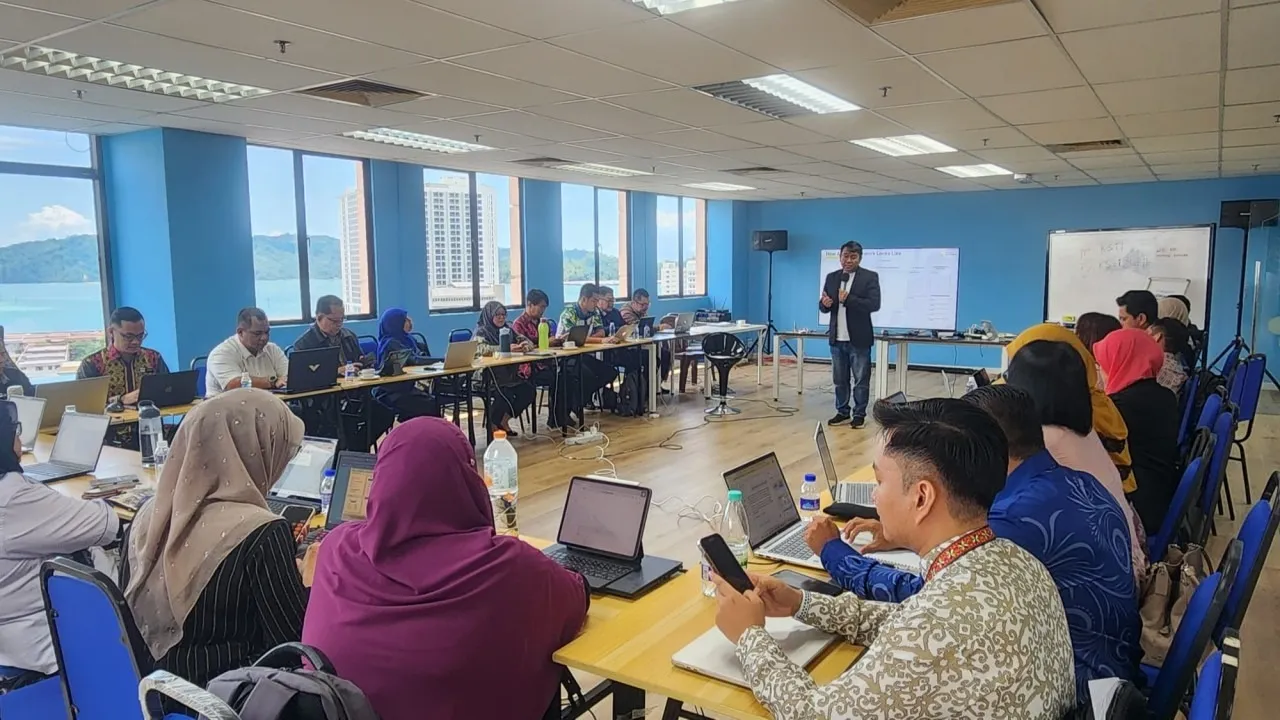
Prof Dr M Nazri Muhd outlines why organisations must move beyond adopting AI tools to redesigning how businesses operate, create value and improve profitability.
16 MAY 2026 — The Centre for AI Innovation (CEAI) Global has highlighted the importance of combining Design Thinking with Generative Artificial Intelligence (AI) to help organisations translate technological investments into measurable business results.
In a thought leadership paper titled “Design Thinking for AI Leadership: Turning Generative AI from Tool Adoption into P&L Advantage,” Prof Dr M Nazri Muhd, Group Executive Chairman of CEAI Global, examines why widespread AI adoption does not automatically translate into higher profitability, improved customer experiences or stronger organisational performance.
The paper presents a practical leadership framework for transforming AI from an individual productivity tool into a strategic business capability.
Beyond AI Adoption: Turning Technology into Business Value
Across industries, organisations are investing in AI platforms such as ChatGPT, Gemini and other intelligent assistants.
While these technologies can accelerate document preparation, research, analysis and administrative work, faster individual tasks do not necessarily produce faster overall business operations.
For example, an employee may use AI to prepare a report in minutes rather than hours. However, if the report still requires several layers of approval, the organisation may experience little improvement in its overall turnaround time.
Prof Nazri argues that businesses must redesign entire workflows rather than simply introduce AI into existing processes.
Why Design Thinking Matters
Design Thinking is a human-centred approach to solving problems by understanding people’s needs, identifying underlying challenges, developing solutions and testing improvements.
When combined with AI, it enables organisations to rethink how employees, technologies and business processes work together.
Instead of asking how many employees are using AI, leaders should ask whether AI is helping reduce costs, improve service quality, accelerate decisions and generate additional revenue.
This shift connects AI transformation directly to financial performance, including the Profit and Loss (P&L) statement.
A Five-Stage Framework for AI Leadership
Prof Nazri’s paper proposes five interconnected stages:
- Empathise — Understand employees, customers and existing operational challenges.
- Define — Identify specific business problems and measurable improvement targets.
- Ideate — Redesign workflows by combining human expertise with AI capabilities.
- Prototype — Test solutions in controlled environments before wider implementation.
- Scale — Expand successful applications with appropriate governance, human oversight and continuous improvement.
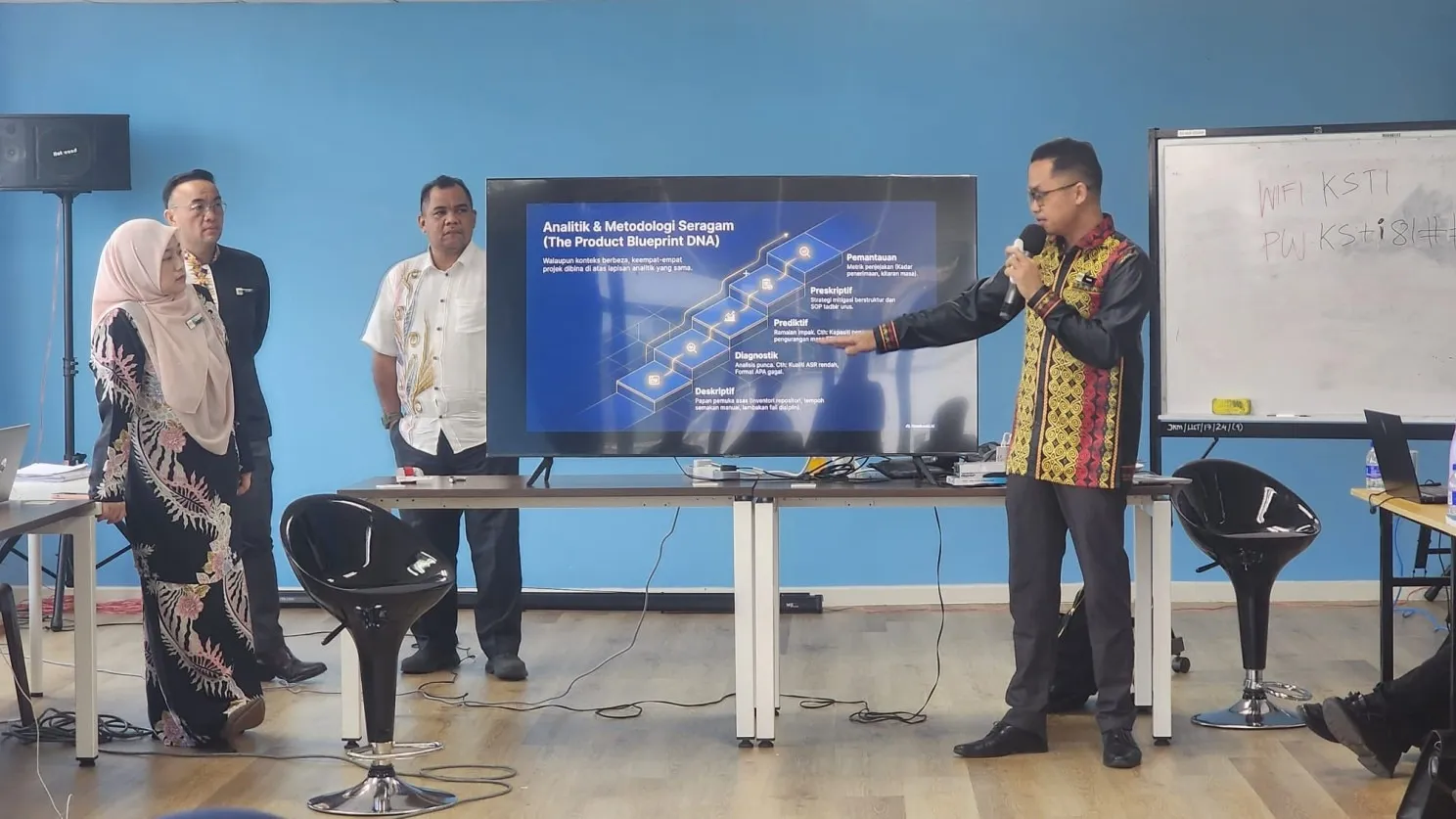
The framework encourages organisations to prioritise practical business outcomes rather than technology adoption for its own sake.
Human Intelligence Must Remain Central
Prof Dr M Nazri Muhd, Group Executive Chairman of CEAI Global, emphasised:
“The true value of artificial intelligence is not measured by how many tools an organisation deploys, but by how effectively those tools transform the way people work, make decisions and create value.
AI can help us analyse information, automate repetitive activities and identify opportunities. However, technology alone cannot replace human judgement, empathy, accountability or strategic leadership.
Design Thinking provides the essential bridge between technological capability and human needs.
When organisations combine the power of AI with the creativity and experience of their people, they can redesign outdated processes, eliminate inefficiencies and unlock new opportunities for growth.
Our aspiration is to help leaders move beyond experimenting with AI towards building organisations where innovation produces measurable improvements in productivity, profitability and customer outcomes.
The future of AI leadership is not about replacing people with machines. It is about empowering people to achieve more through intelligent collaboration.”
From Productivity Gains to Sustainable Competitive Advantage
The paper also highlights the importance of responsible AI governance, including data privacy, transparency, accountability and employee trust.
Successful transformation requires clear performance indicators, workforce development and leadership commitment.
CEAI Global advocates an integrated approach that connects AI capabilities, Design Thinking, organisational strategy and measurable economic outcomes.
For businesses, the central lesson is straightforward: investing in AI is only the beginning. Sustainable competitive advantage emerges when organisations redesign how they operate and deliver value.
As AI becomes increasingly accessible, the defining difference between organisations will be their ability to turn technological possibilities into meaningful results.
Adapted from Prof Dr M Nazri Muhd’s article on LinkedIn, published 16 May 2026.